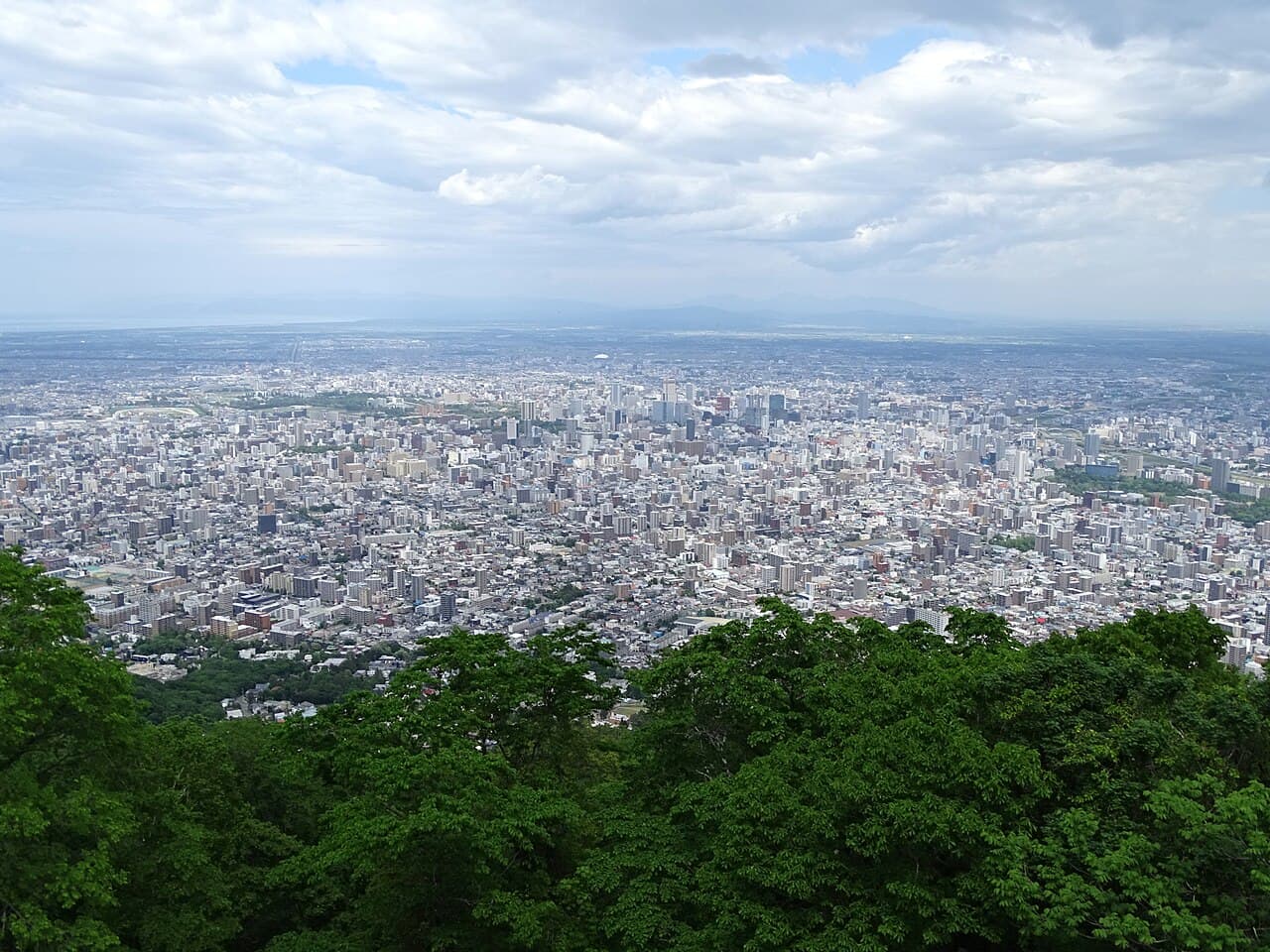
Sapporo suits people who want a big city with a subway and are ready for real snow: 479 cm falls in an average year (JMA normals). Private rent averaged ¥54,678 a month in 2023. Residential land averaged ¥117,400/m² in 2026 (+1.1%, down from +2.9%). About 64% of homes are flats. Check the exact address on the city's earthquake and flood maps.
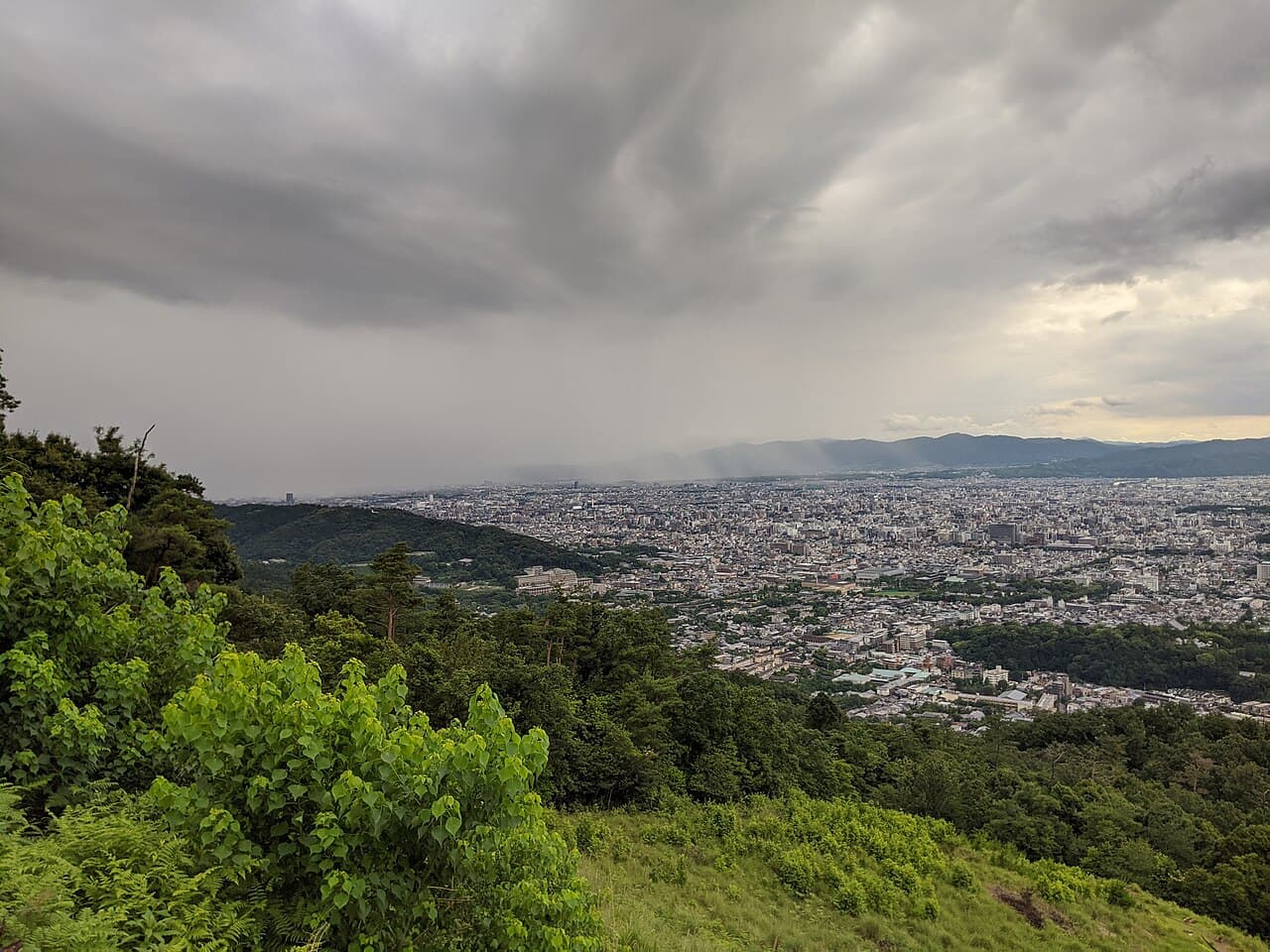
Kyoto suits people who want to live inside a historic, low-rise city: height districts under the 2007 landscape policy set limits from 10 to 31 m (lower in scenic zones), and about 43% of homes are rented. Private rent averaged ¥63,759 a month in 2023. Residential land averaged ¥247,700/m² in 2026 (+3.6%), highest in Kamigyo. Check the hazard map, the machiya rules and, before any home-sharing plan, the city's residential-zone limits.
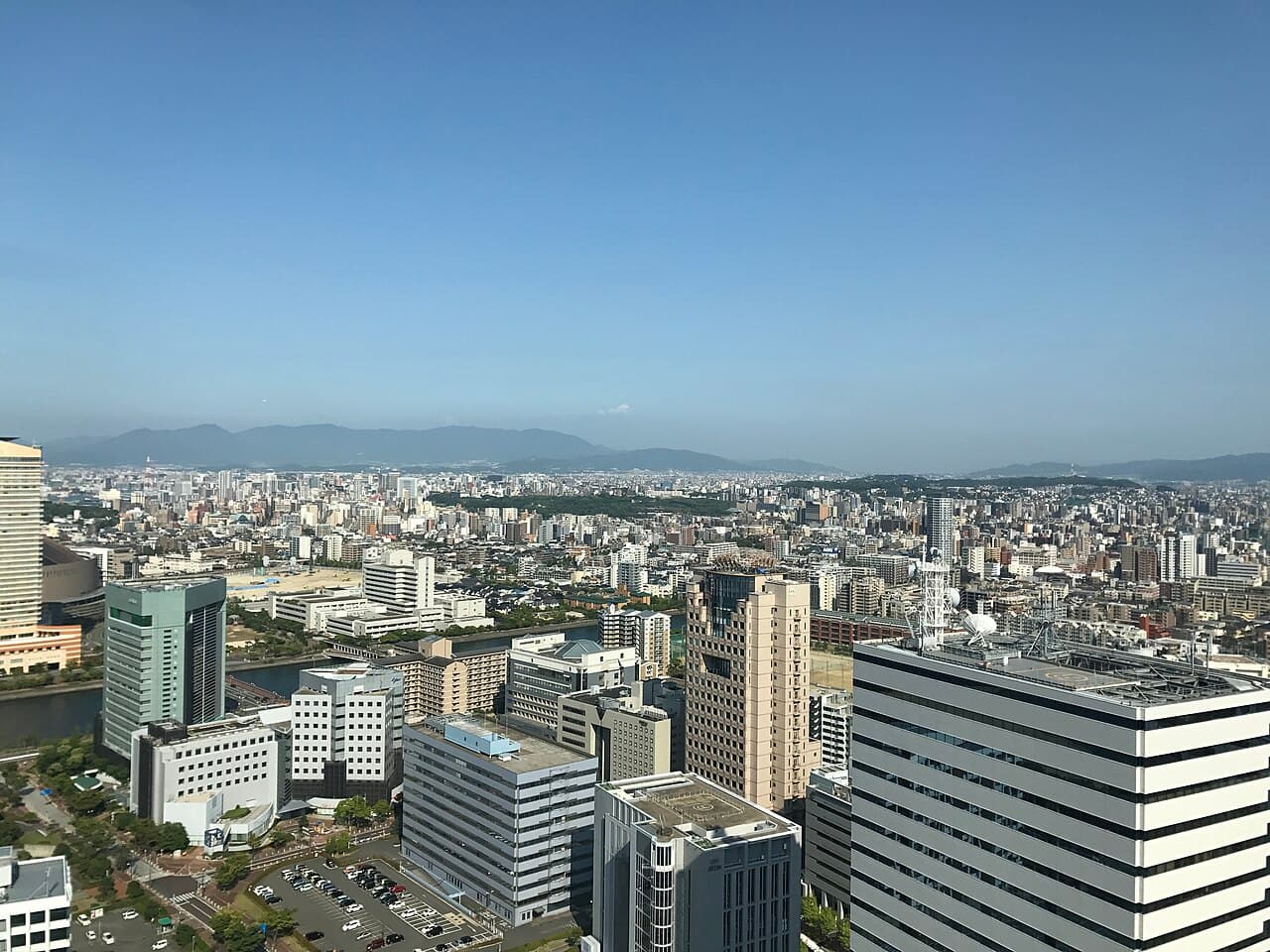
Fukuoka suits people who want a big-city job market and an airport two subway stops from Hakata, and who are happy in a flat: about 79% of homes are in apartment buildings and 60% are rented. Private rent averaged ¥59,656 a month in 2023. Residential land averaged ¥258,100/m² in 2026 (+7.0%), and Chuo ward is far above the rest. Check the exact address on the city hazard map.
A judicial scrivener (Shihou shoshi, 司法書士) files your ownership-registration paperwork with the Legal Affairs Bureau and checks everything is in order before closing funds move. Hiring one isn't legally required, but it's the practical backbone of an ordinary Japanese property purchase, especially a financed one.
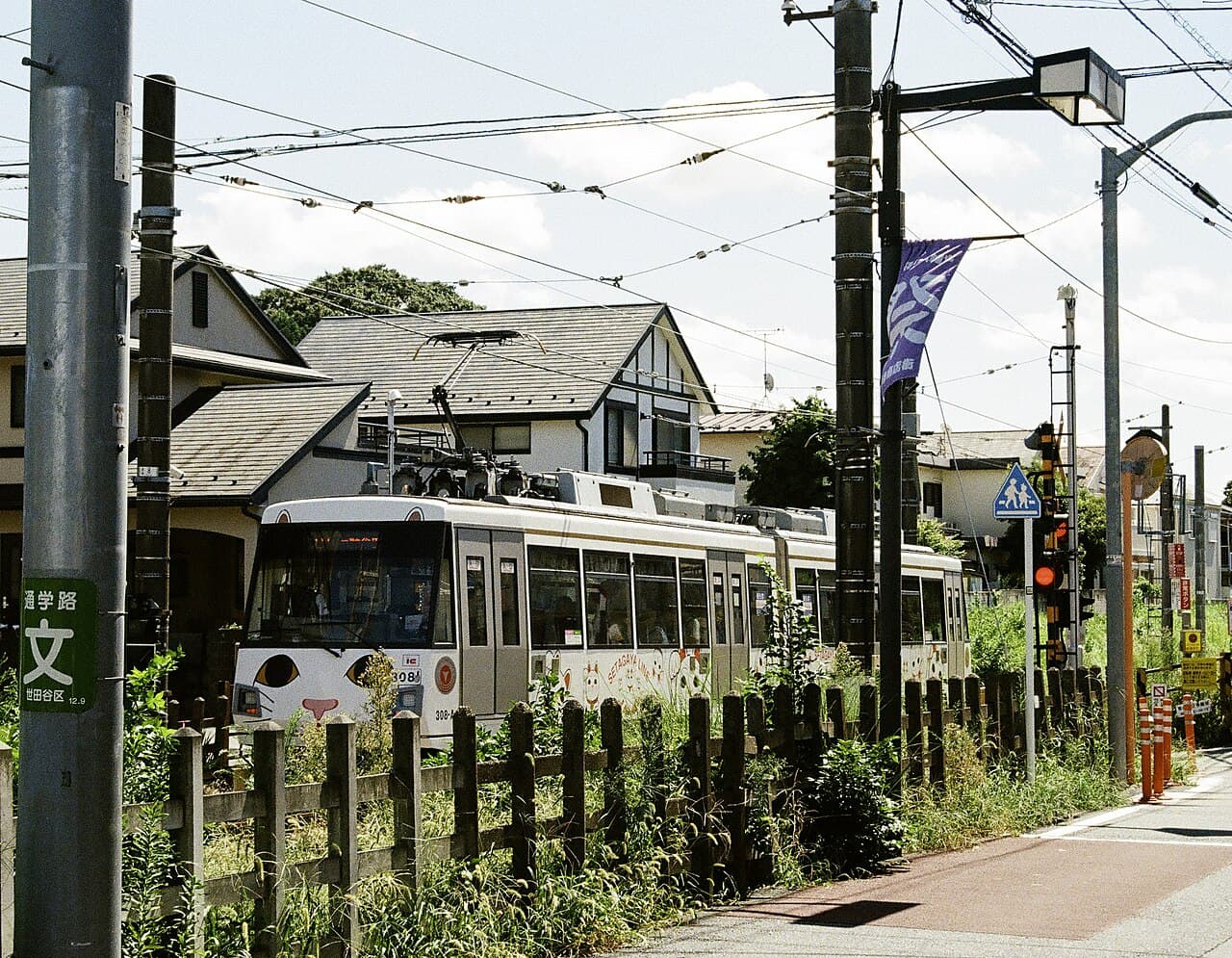
Tokyo's largest ward by population — a vast, quiet, mostly low-rise residential area with three east-west private railways and one north-south tram; rent and energy vary enormously by which station you're near, from lively Shimokitazawa/Sangenjaya to quiet family streets further out.
Akiya banks are free, municipality-run listing services, not brokers — searchable via two separately-operated national platforms (LIFULL HOME'S, At Home), but every actual inquiry routes back to that specific town's own process, which varies and is mostly in Japanese.
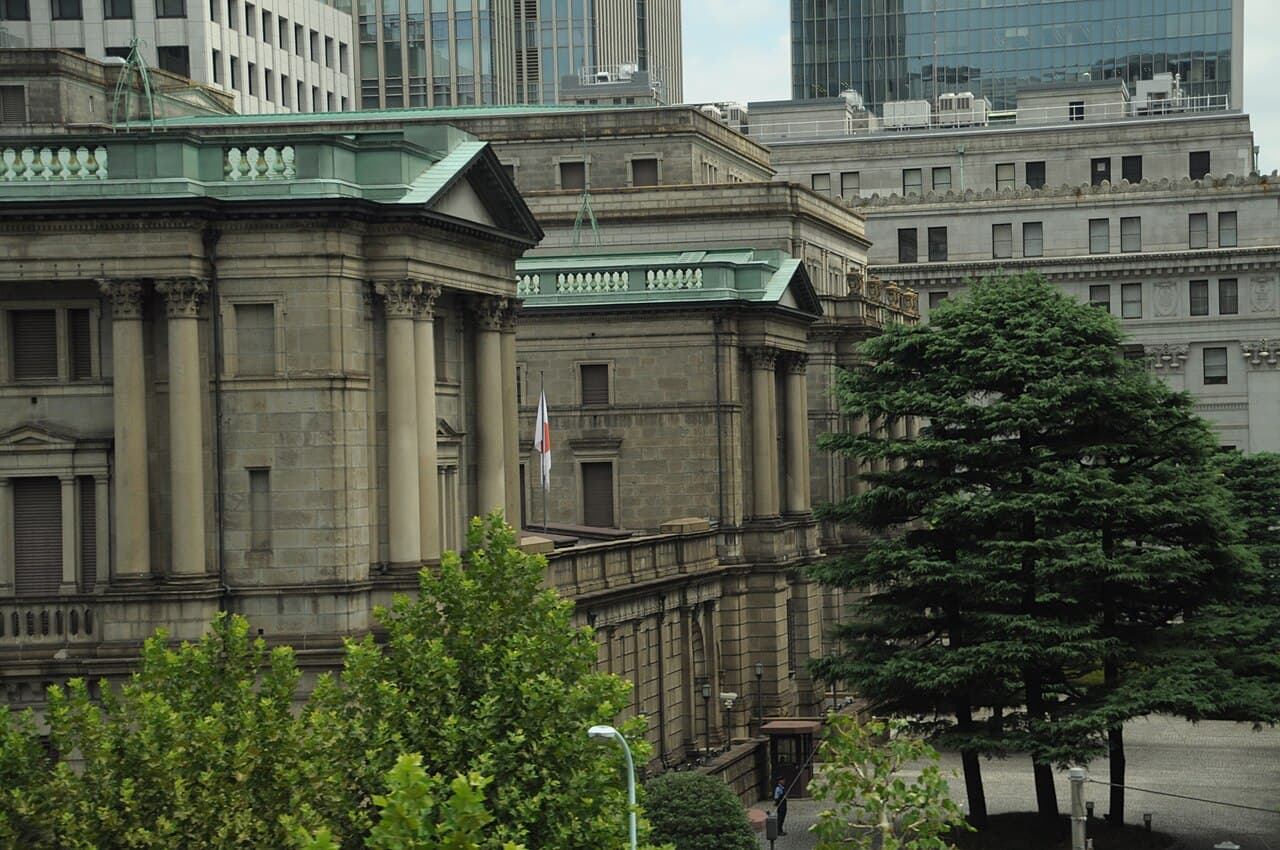
International wires to Japan carry a sending fee, intermediary-bank deductions, and an exchange-rate spread — often the largest hidden cost. Separately, transfers over ¥30 million trigger a Bank-of-Japan payment report under FEFTA Article 55, distinct from the post-purchase ownership report non-residents must also file.
One company often represents both the buyer and the seller in a Japanese home sale (両手仲介) and can legally collect commission from both sides. A January 2025 reform now forces mandatory REINS status registration so sellers — though not buyers — can check directly whether their listing is being shared.
Japan's Building Standards Act requires a site to front a qualifying road (generally ≥4m wide) by at least 2m of frontage; sites that don't are 'saikenchiku fuka' — legally blocked from full rebuilding, not just old or undesirable.
Japanese move-in costs bundle a refundable deposit, often non-refundable key money, an agency fee and a guarantor-company fee. Ordinary wear-and-tear is excluded from deposit deductions by law; guarantor companies are voluntarily registered with MLIT, not mandatorily licensed.
Buying costs in Japan include agent commission (a legal ceiling: price × 3% + ¥60,000 + tax), registration and acquisition tax (based on assessed value, not price), stamp duty and a scrivener's fee — each knowable in advance if you use the right base value.
Since April 1, 2026, non-residents acquiring real estate ownership in Japan must report it within 20 days via the Bank of Japan — for any purpose, including their own home. Only certain 'rights' (not ownership) used for residence remain exempt.
Japanese move-in costs stack: deposit (refundable-ish), key money (non-refundable, customary), agency fee, guarantor-company fee. Assume a guarantor company, budget several months' rent upfront, and get every fee in writing.
Foreigners can own Japanese property outright — no nationality or residency requirement, full freehold. But ownership grants no visa, and mortgages usually require Japanese residency and income; overseas buyers typically pay cash.